Some companies are known for their brilliant marketing strategies. Often, there are entire teams behind them, both nationally and internationally. This is also the case with the fast-food chain McDonald's, of course known for its slogan "I'm lovin' it", but also for their many brilliant marketing actions (the Happy Meal toys, the "Famous orders", and the campaign "#RaiseYourArches").
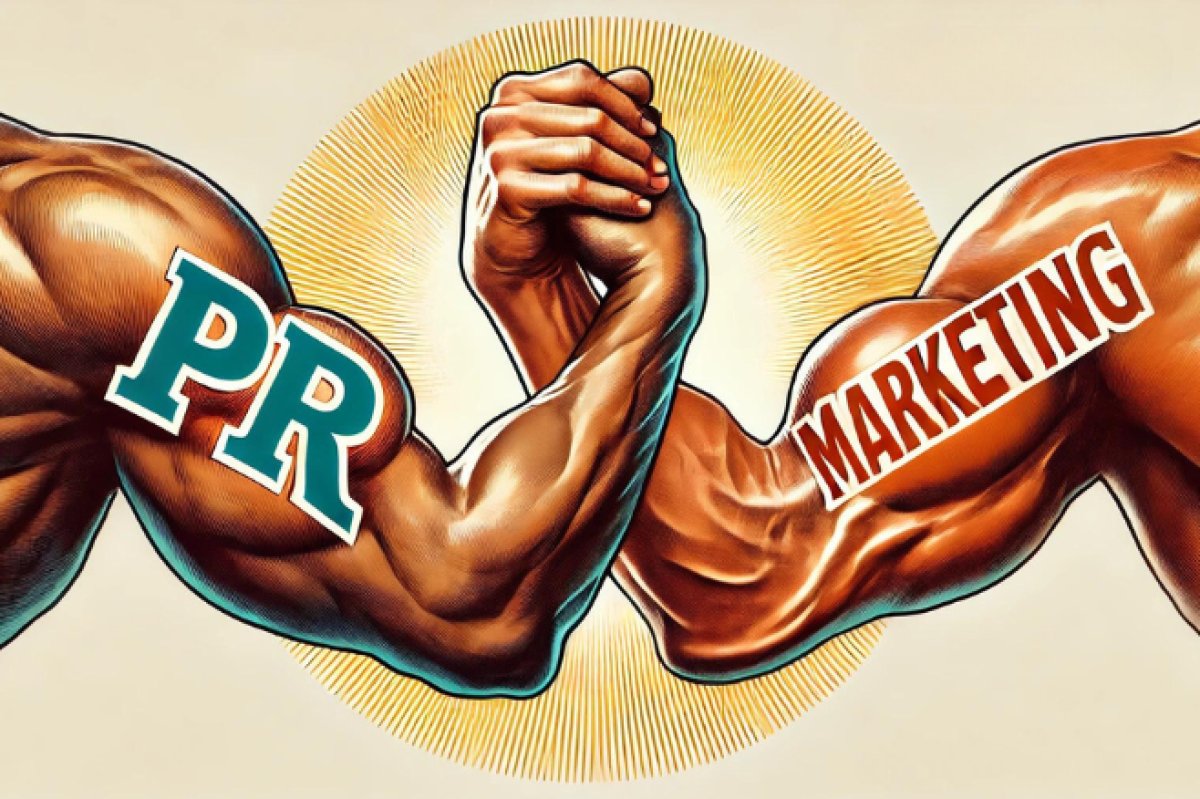
However, their most recent marketing campaign proverbially fell into the water, and despite their usually strong marketing, the PR department had to step in. PR outshining marketing: that deserves a blog!
McControversy
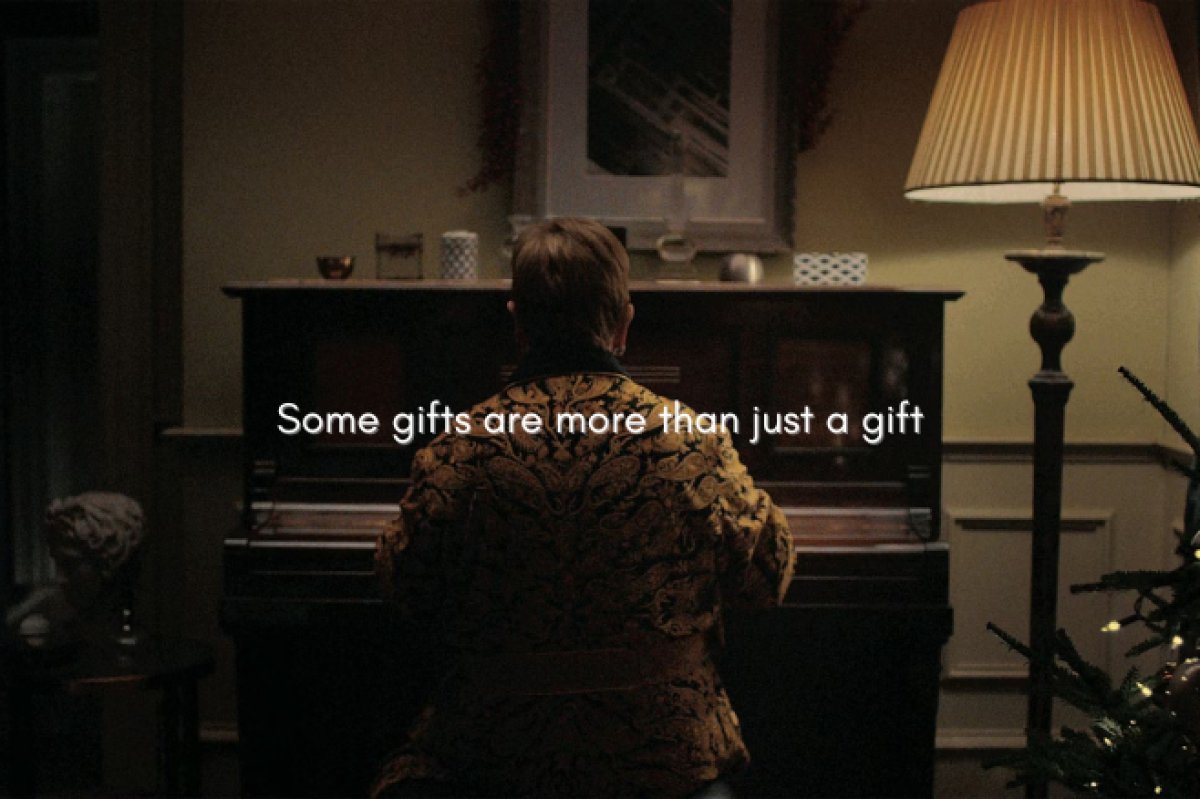
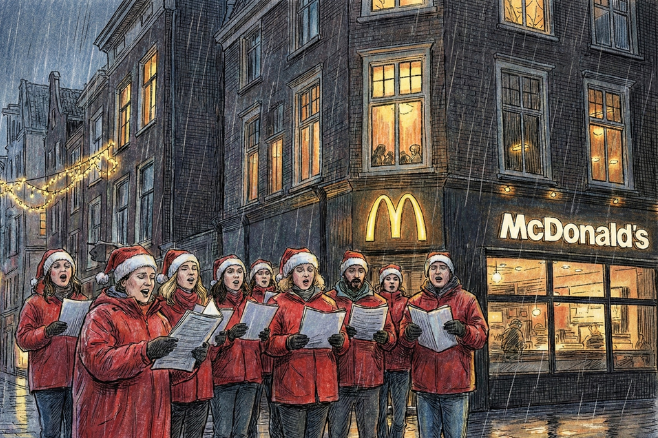
If you don't quite understand what we're talking about yet: McDonald's recently launched a Christmas commercial that led to controversy for two reasons. First, due to the name and the idea behind it: It's the most terrible time of the year. In it, McDonald's wanted to show how December is more stressful than atmospheric for many people, so the 40-second video showed all the setbacks people experience during the Christmas period. This did not sit well with the public: for them, this period is precisely the most wonderful time of the year, resulting in many negative reactions.
Secondly, the commercial was made with Artificial Intelligence (AI). People found that hard to swallow too: when thinking of the romantic notion of Christmas, they don't quickly think of artificial intelligence. However, McDonald's is not the first in this; Coca-Cola also faced criticism for their AI Christmas commercial because it was said to lack the warmth and authenticity of human-made advertisements, look 'soulless', and endanger creative jobs.
A lot of work undone
But don't be mistaken. Although the Christmas commercial was composed with AI, it likely took weeks (if not months) of work from both creatives and marketers. Even if the work wasn't spent on the actual execution (i.e., filming), it was in brainstorming, shaping the concept, elaborating the idea, spreading the message, purchasing ad space, and so on.
But despite all the good intentions, this piece of marketing was outshone by the power of PR. Normally, we only talk about the sunny side of PR: positive media attention. News about your organization (a newly opened office, a problem-solving product, or an award won) is shared, putting your organization in a good light.
The other side of the coin
Media attention can also work the other way: the appalling working conditions at Saints & Stars exposed by Het Parool, the same medium that earlier turned Ajax upside down. In a similar vein: last year, NRC came out with an investigation over Heineken, notably about Charlene de Carvalho-Heineken, where serious tax evasion was brought to light.
No matter how strong you are in marketing (which is certainly the case with the above companies), it can still happen that you end up with bad publicity. Then, the PR department has to come together, decide on a crisis communication strategy, and take (re)action. Saints & Stars put the management on inactive status, Ajax parted ways with Overmars and stated that a safe work environment is "very important," and that they "will be paying even more attention to it in the coming period." Heineken put this page online, entirely focused on their tax approach.
McDonald's also made a drastic decision: they took the Christmas commercial, buried under the negative (media) attention, completely offline. However, they have not yet come forward with an explanation, perhaps because they want to choose their words very carefully. And there you have it: PR, always the overlooked child, can easily outshine marketing.