The World Cup 2026 was not only fought on the football field. Brands also competed for attention outside the stadiums, often without an official sponsorship contract. This emphasized once again that you don't need a million-dollar agreement with FIFA to become part of the conversation.
An expensive commercial film with well-known footballers is classical marketing, but not automatically good PR. The strongest PR campaigns contain an idea that journalists want to pick up and people want to share on their own. In this blog, we highlight several brands and organizations that understood how to earn attention around a major event.
Levi's Turns a Limitation into the Story
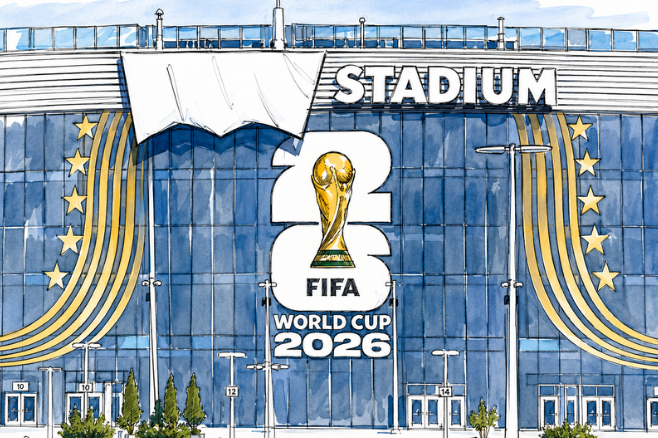
FIFA required unofficial sponsors to cover their branding in World Cup stadiums. As a result, the name of Levi's Stadium disappeared behind a white cloth, while the distinctive shape of the logo remained visible.
Levi's fully embraced the situation. The covered logo appeared as a profile picture, social content, store activation, and on a limited-edition shirt. Precisely because the brand had to become less visible, a story was created that garnered extra attention.
Heinz also dealt with covered branding. The brand responded with 'Unofficial Stadium Ketchup', featuring a blacked-out label. A smart translation to its own product, although the surprise was slightly smaller since Levi's had already opened this route.
Participating Without a Sponsorship Contract
The Spanish snack brand Jumpers pretended to sponsor the Spanish national football team. It wasn't until the small print that it became clear it was about the national pétanque team. The deception was straightforward, quick to explain, and therefore attractive to media and social platforms.
Air Transat opted for newsjacking. The airline compared expensive World Cup tickets to return flights to countries like France and Mexico. Thus, the brand tapped into an existing frustration and logically linked it to its own services.
Meanwhile, Visit Seattle made the entire city part of the tournament. After the six matches in Seattle, hundreds of drones formed the final scores and flags of the playing countries next to the Space Needle. The city promoted itself not with a traditional tourism ad but with a public spectacle that visitors could photograph and share.
The common denominator? These campaigns added something to the conversation already surrounding the World Cup. They didn't simply plaster a football on their normal advertising message (like WhatsApp turned the football emoji into the official match ball 'Trionda').
Women's Aid used the World Cup for a much more serious message. With The Other Kick Off, the organization drew attention to the moment when supporters return home after a match and the risk of domestic violence increases. The calculated time appeared on billboards, advertisement vans and posters around London fan zones. Thus, a familiar football question, “what time is kick-off?” turned into a warning that was hard to ignore.
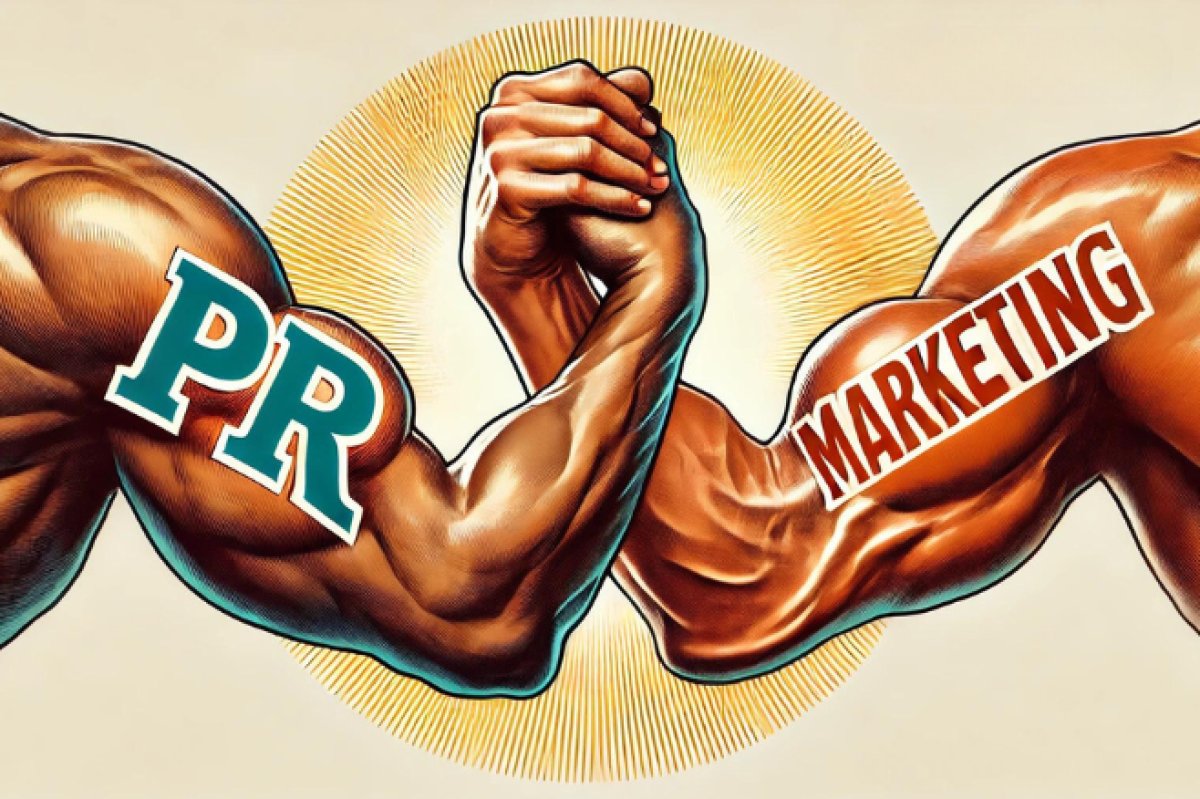
Distinction from Marketing
LEGO went big with Messi, Ronaldo, Mbappé, and Vinícius Jr., who together built a World Cup trophy. Impressive, but secretly mostly marketing: big stars ensure a wide reach, after which the visibility hopefully contributes to the sale of the associated LEGO collection. The campaign certainly yielded PR value, but the commercial goal was clear.
In a true PR stunt, the emphasis is usually stronger on awareness, conversation, and earned media attention. The idea must be able to travel independently, without an advertising budget behind it.
That is also the lesson we share at Presscloud. A good PR story connects with current events, fits logically with your organization, and gives journalists something they want to write about. Then it must land with the right media at the right time. And the best part? All of this is possible with our platform.