What free publicity is (and what it isn't)
Publicity is all public attention for your business, wanted or unwanted. Free publicity is the part you earn instead of buy: editorial coverage in newspapers, news sites, radio, TV or podcasts. In the PESO model this is called earned media.
The difference with advertising is who decides. With an ad, you determine the message and pay for the spot. With free publicity, a journalist decides whether your story is worth it, and how it's told. That makes the credibility higher and the control lower. "Free" also only refers to media budget: finding a good story, writing a press release and pitching journalists takes time and craft.
What free publicity delivers
- Reach without a media budget. One article on a major news site reaches hundreds of thousands of readers. Through Presscloud, customers have realized 61,701 publications so far.
- Trust. Consumers and business decision-makers trust editorial media considerably more than ads and social media. A mention works as an independent recommendation.
- Findability. Publications deliver mentions and links from strong news domains. That improves your Google rankings and makes your brand visible in AI search engines, which weigh news media heavily as a source.
- Snowball effect. Publications lead to new requests: other media picking up the story, interview requests, invitations to speak. The first placement is the hardest.
12 ways to get in the media for free
- The press release. The foundation and starting point of most free publicity. See Writing a press release and Sending a press release.
- Newsjacking. Respond as an expert to news in your field. Speed matters: responding the same day makes the difference. The Personal Newsfeed in Presscloud flags daily news hooks that fit your brand.
- Your own research. Numbers that reveal something new about your market are the most published news format. A survey of your own customer base is often enough.
- The interview. Often follows a first publication. Prepare: know your key message and practice tough questions.
- The expert quote. Journalists are constantly looking for sources to provide context. Respond quickly and quotably, and you become a regular source.
- The guest article or guest blog. Trade media and platforms are happy to publish substantive contributions from experts, as long as it's not an ad in disguise.
- Speaking at events. A stage in front of your audience, and events attract press themselves too.
- Awards and rankings. Entering takes an afternoon; winning or being nominated is a ready-made press moment.
- The customer story. A customer explaining what your product solved is more credible than any claim of your own. Media would rather write about the customer with you in it than the other way around.
- The PR stunt. A playful action that taps into current events and fits your brand. High risk, high reach; only do it if the action has value even without press.
- Start local. Regional media publish faster about businesses from their area, and national newsrooms read regional titles. Check in the media overview which regional titles are active in your region.
- Your own channels as an amplifier. Share every publication on LinkedIn, in your newsletter and in your Newsroom. That way you double the reach and build a visible track record that wins over the next journalists.
The news moments every business has
Think you have nothing to share? Run through this list. Nearly every business has several of these moments per year:
- Launch of a product, service or location
- Funding, acquisition or major partnership
- Milestone: customer count, anniversary, revenue mark
- Your own research or striking data from your platform
- New executive or notable hire
- Award, nomination or certification
- Seasonal moment or holiday that touches your product
- Legislative change or trend in your sector you can explain
- Remarkable customer story
- Social initiative that actually means something
Plan these moments ahead in a news calendar, and you'll never pitch out of thin air again.
Dealing with negative publicity
The flip side of visibility is that attention can also be negative: a complaint going viral, an incident, critical research. Three rules that limit the damage:
- Respond quickly and factually. Silence gets filled in by others.
- Be transparent. Acknowledge what went wrong and explain what you're doing about it. Companies that cover things up lose twice.
- Prepare before you need it. Agree on who speaks to the press and make sure everyone in the company knows questions go to that person.
How others did it
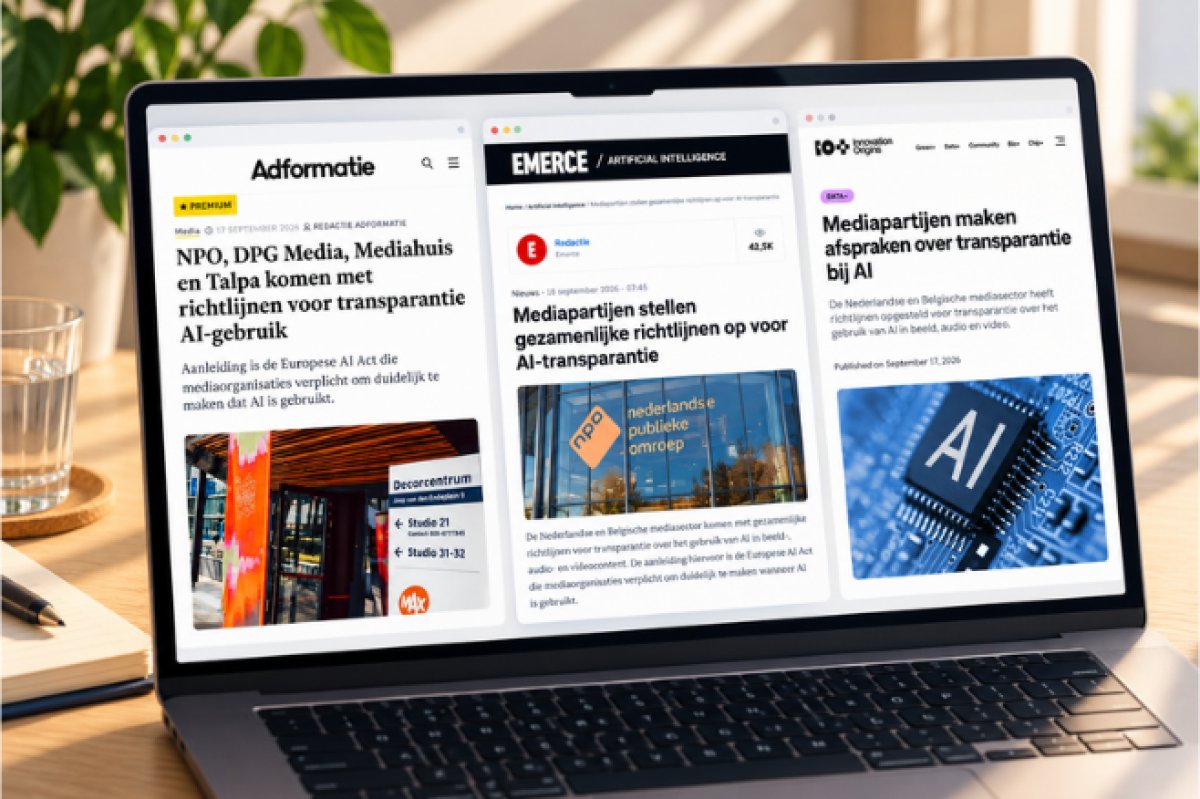 Use case
Case: Media Campus NL
Media Campus NL highlighted two specialist subjects, C2PA and AI guidelines, via Presscloud to trade and news media. Read about how the campaigns unfolded and what they achieved.
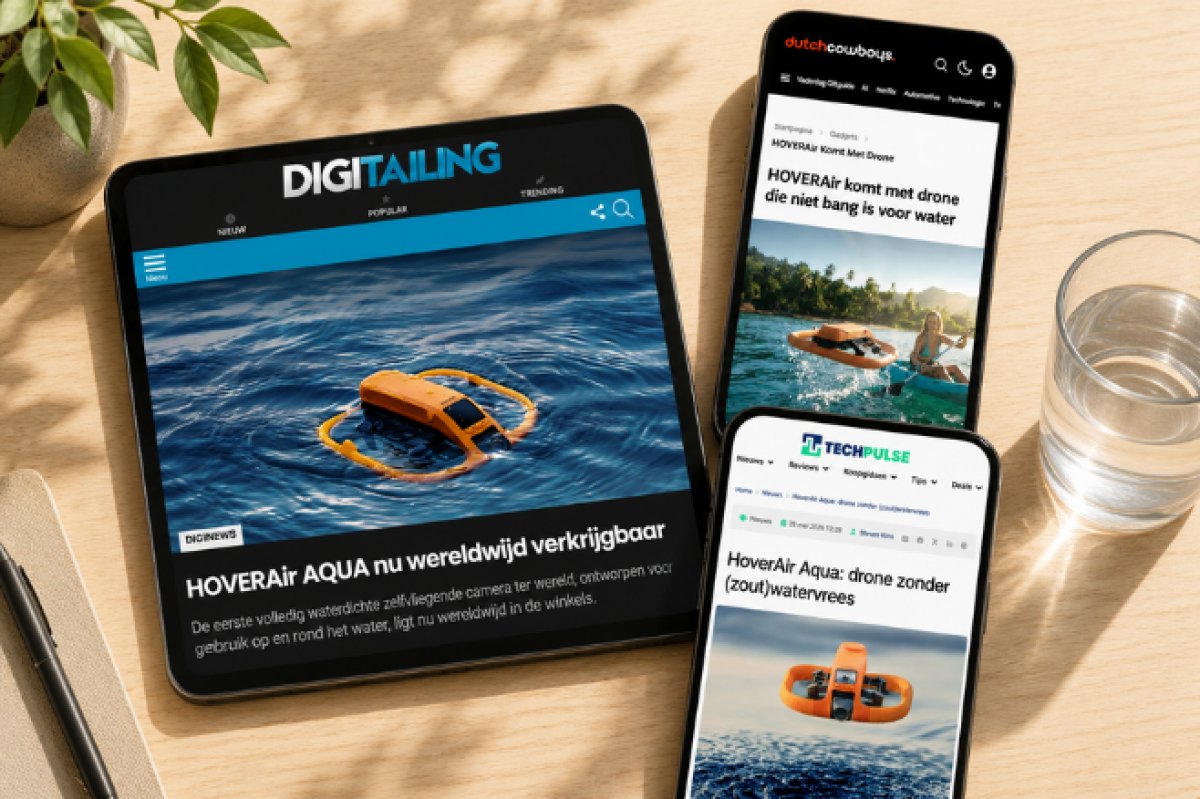 Use case
Case: Response Nordic AS
Through a targeted PR campaign, Response Nordic secured coverage in leading drone and tech media, reaching precisely the HOVERAir Aqua’s target audience.
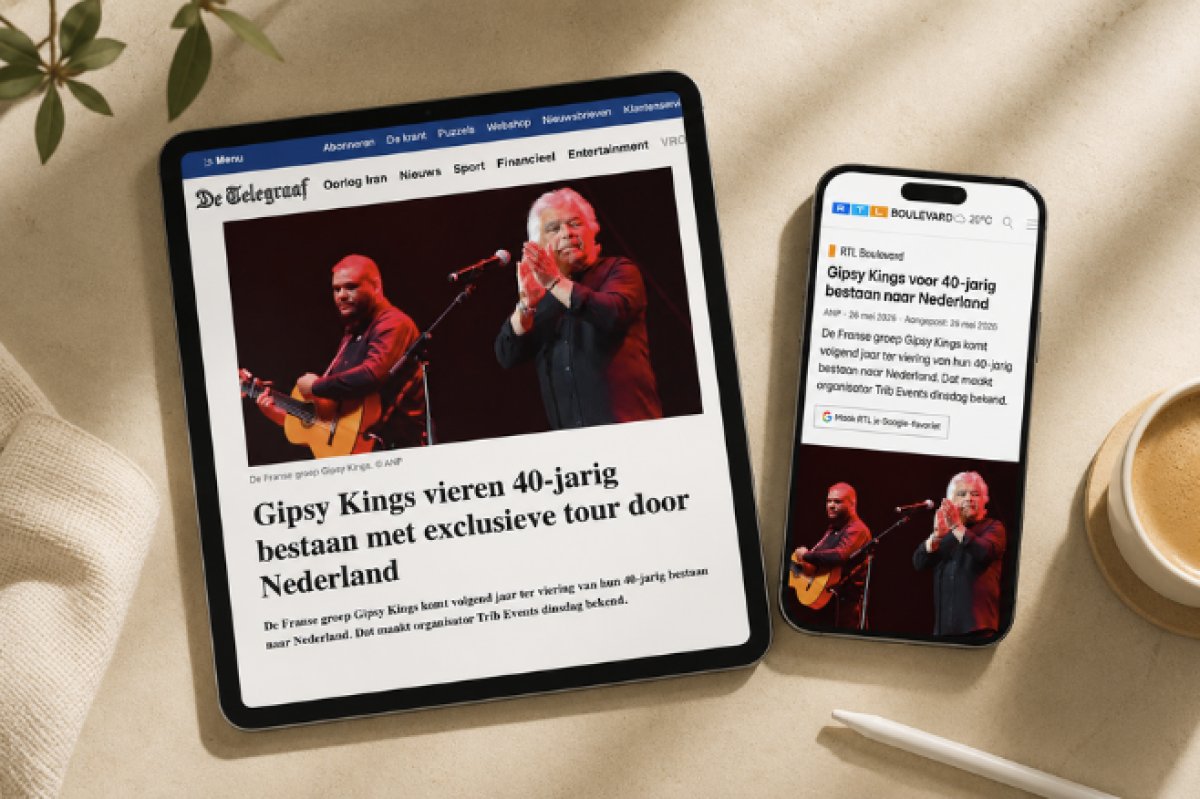 Use case
Case: Trib Events
Discover how Trib Events reached national media with a press release about the Gipsy Kings' anniversary tour. The campaign resulted in publications in De Telegraaf and RTL, among others.