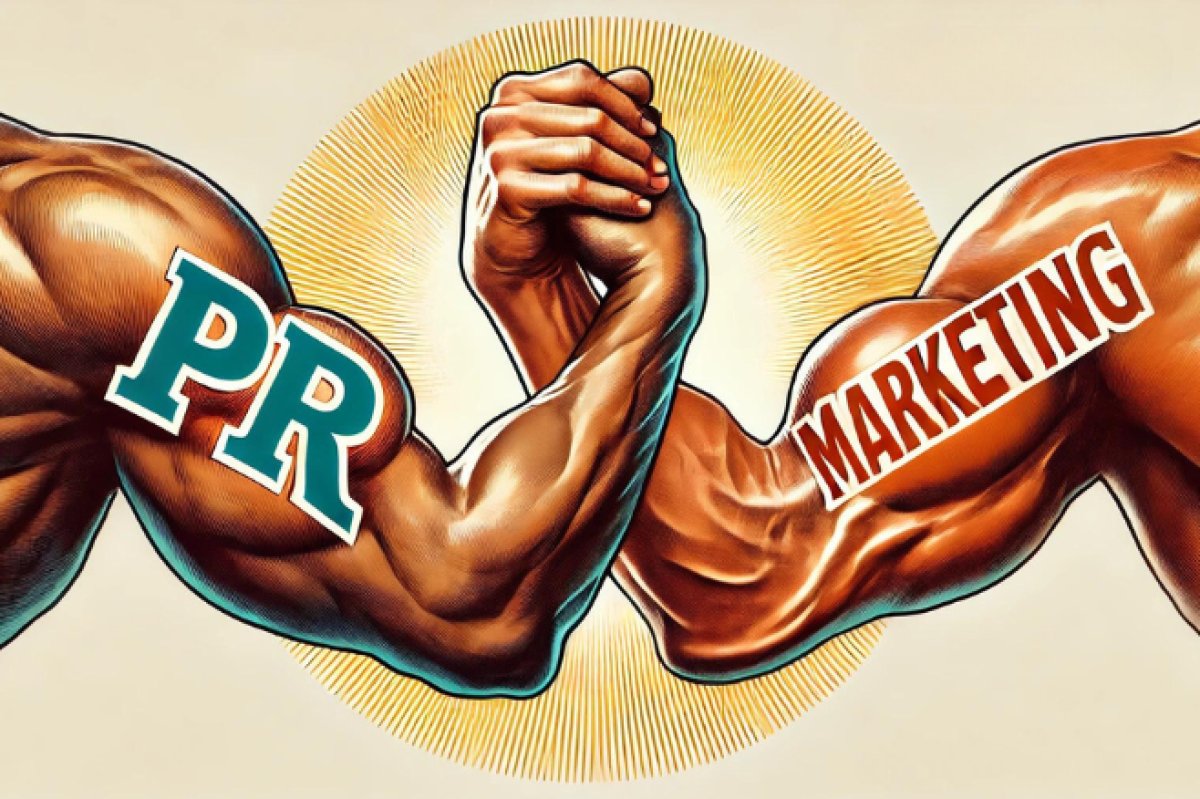
Search behavior is changing faster than ever. While SEO has defined the playing field for years, large language models like ChatGPT, Gemini, and Claude are taking over. Users often no longer receive a list of links, but a direct answer instead. And this is precisely where the power balance shifts. Not towards advertisements or even smarter keywords, but towards PR.
PR has once again become a determining factor in how brands are visible online. Not because press releases suddenly rank magically better, but because AI systems base their responses on reliable, independent sources. And that happens to be the domain of PR.
From SEO to Generative Engine Optimization (GEO)
Traditional search engines were all about clicks. The higher you ranked, the more traffic you received. In the era of generative AI, that is different. The AI itself chooses which sources to use to formulate an answer. These are often established news media, professional publications, and cited experts.
This means that visibility is no longer determined by who best optimizes their own website, but by who is most frequently and consistently mentioned by others. Earned media, quotes, and journalistic context are no longer nice-to-haves, but prerequisites. This development is also referred to as Generative Engine Optimization (GEO), a term we already highlighted last year in this blog (last paragraph).
Why PR has an advantage here
PR professionals have been doing this work for years. They make sure that stories are newsworthy, that experts are quoted at the right moments, and that brands appear in contexts that radiate trust (in other words, thought leadership, which we advocated for in 2019). Precisely this context is now crucial for AI.
AI models don't "read" campaigns, but public information. An interview in a professional medium, like Crewcart's feature last year in Twinkle, carries more weight than a landing page. A well-placed quote can continue to appear in generated responses for years. This makes PR measurable in a new way: not just reach, but presence in AI answers.
For organizations, this means that communication departments are becoming strategically more important. Not as a supportive function, but as a source of structural visibility.
What this requires from modern PR teams
The bar is higher now. AI recognizes patterns. One-time publicity is insufficient. It's about consistency, clear positioning, and frequent publications. This is where many companies struggle. They see the importance but lack time, structure, or oversight.
This is exactly where technology becomes relevant. Not to automate PR into spam, but to make the job more doable. Our smart tools help with selecting relevant journalists, personalizing pitches, and tracking what actually gets picked up. This way, PR remains human but is prepared for a world where AI is involved.
So, those who want to be visible in search engines in the future must invest today in credible stories. Not by shouting louder, but by publishing smarter. And that is exactly where good PR makes a difference again. Start today with Presscloud!