Recently, we've been enjoying an astonishing amount of word-of-mouth advertising, with existing customers recommending us to new users, thanks to our easy tools and good customer service. Fantastic, purely organic. But this type of word-of-mouth can also be stimulated through PR. When PR stunts naturally make it to the newspapers, they spark conversations around your brand. So you can achieve an effect beyond your own media efforts even without a large advertising budget. Smart PR stunts keep your organization top-of-mind and tip-of-tongue through free publicity. Forgive us this Anglicism, but it perfectly summarizes how PR should work.
Definition of a PR Stunt
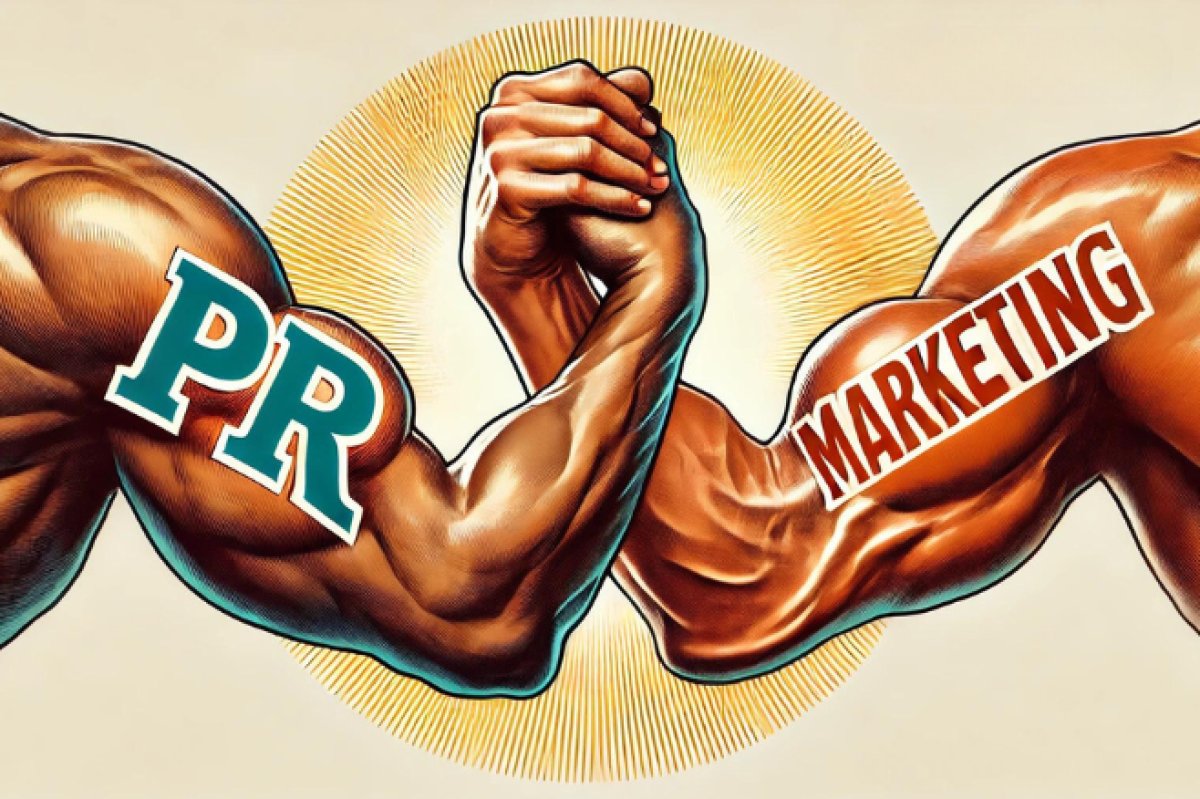
First things first: what exactly is a PR stunt? It is often lumped together with marketing stunts. In terms of execution, there is not much difference between the two: just like marketing stunts, PR stunts are eye-catching, deliberately organized actions or campaigns designed to attract attention. The difference, however, lies in the goal: unlike marketing, a PR stunt is not about direct sales, but about strengthening your brand, generating media and public attention, starting a social conversation, or highlighting a relevant theme.
The power of a good PR stunt lies in its news value: it must be special, unexpected, or timely. Simultaneously, credibility is crucial: the stunt must fit the identity and values of your organization. The goal is to naturally garner editorial attention and indirectly activate word-of-mouth advertising. If people talk about it without you spreading it, your stunt has succeeded.
Success stories in the Netherlands
In our opinion, one person stands out head and shoulders above the rest: Matt Sleeps founder Joep Verbunt. He is now known for playful, newspaper-worthy PR moments. For example, he opened a bed cinema, a bar you could only enter with a hangover, and an alarm clock smash store where you could destroy discarded alarm clocks. Precisely because these stunts were surprising and absurd enough, they piqued journalists' curiosity and were shared in newspapers and online media. As a result, Matt Sleeps was discussed, shared, and remembered.
Another legendary example is ‘The Big Donor Show’, a stunt by BNN where a supposed direct TV choice for a kidney donation was streamed. Only at the end did it become clear that it was a theatrical performance intended to draw attention to the shortage of donor organs. International media like CNN and The Guardian picked it up. The stunt was emphatically not marketing, but pure PR: the goal was public awareness and conversation.
A less ‘shock’ but effective example is ‘My Name is Peter’, an action by the advocacy group Women Inc. whereby prominent women (and men) temporarily changed their name on LinkedIn in protest against the lack of female executives. The stunt was clever and made it into newspapers and opinion platforms widely. Again, not a marketing message, but a statement that led to much public discussion.
How can you use this yourself?
A strong PR stunt revolves around three elements: it must stand out, align with your brand, and have news value. Choose something surprising enough to catch journalists' attention, but remain credible within your organization's identity. A stunt like ‘My Name is Peter’ worked because it perfectly aligned with the theme of emancipation and sparked a broad public conversation.
Think not from campaigns, but from stories that pique curiosity. Look for an angle within your industry or mission that taps into something larger: a social trend, an urgent issue, or a recognizable sentiment. Develop something that doesn’t feel promotional but is newsworthy. This way, you give media a reason to write about you — and conversations naturally arise, both in the newspaper and at the coffee machine.