You might have already seen it: since August 24, Dutch ChatGPT users have been seeing ads at the bottom of their conversations. Major advertising agencies are leading the way, self-serve advertising through Ads Manager is now available to Dutch companies, and the first test campaigns are already live. It’s only logical that a question immediately arises: if you can now easily pay for visibility in ChatGPT, was all the effort for GEO in vain?
The short answer: no. We'll explain the slightly longer answer below.
Two Different Layers of Visibility
ChatGPT Ads and GEO do not solve the same problem. Ads are paid placements: you purchase visibility when someone talks about a specific topic with the chatbot. GEO is about something else, namely whether the language model mentions your company unsolicited, because it finds your content reliable and relevant enough to use as a source.
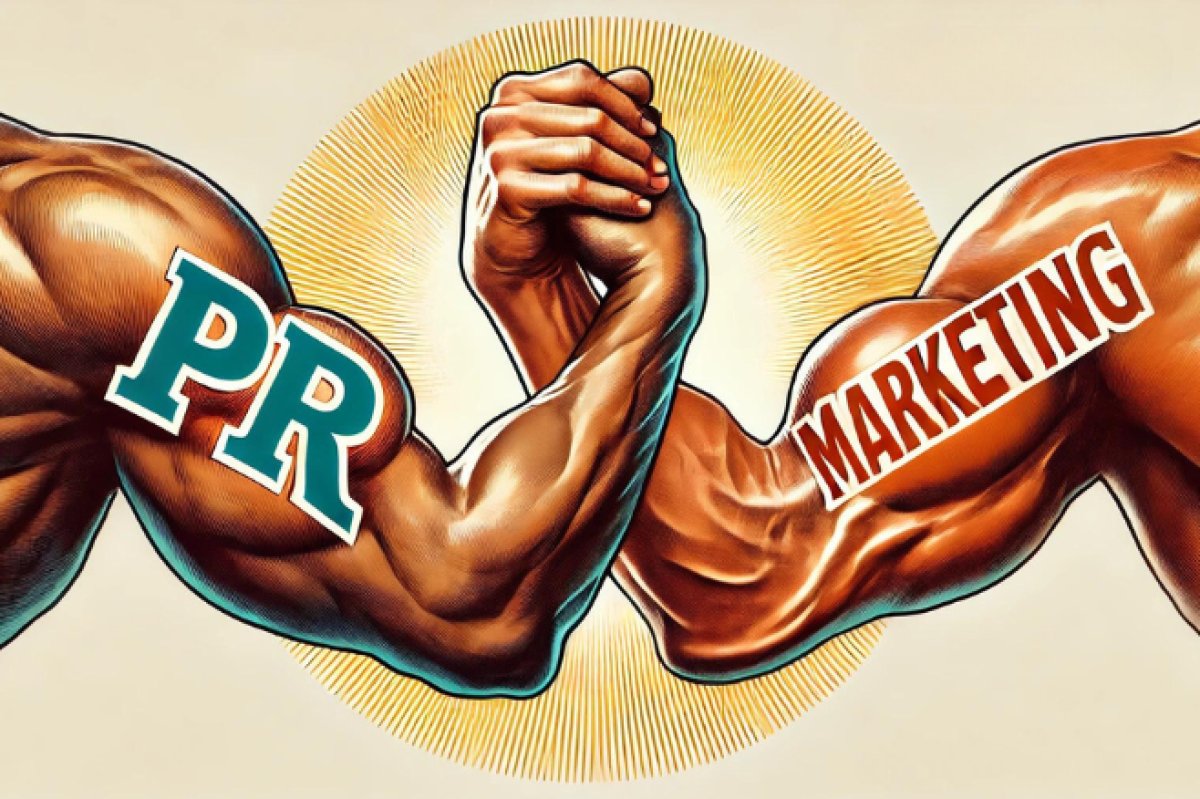
You already know this distinction from Google: SEA and SEO have coexisted for years. An ad at the top of search results does not replace the need to be organically findable. The same now applies to AI. Ads are the paid counterpart to GEO, not a replacement for it.
Why Organic is Becoming More Important
Moreover, there is a good reason to expect that organic mentions in AI conversations will become more valuable now that ads are being added. An advertising specialist from the Omnicom agency tells Emerce that 58 percent of users would use AI less if advertising becomes too intrusive, and that 52 percent trust AI answers less once it is known that advertisers are involved.
This distrust mainly affects paid placements. When ChatGPT mentions your company on its own in response to a question, it carries much more weight for the user than a labeled advertisement. This is precisely what GEO is about: ensuring that you end up in that list on your own merits.
Even the Initial Figures Are No Reason for Panic
For those who still consider going all-in on ads: companies already testing them are not always seeing the results they hoped for, and several agencies report doubts about the reliability of the measurement data.
This does not mean that ChatGPT Ads have no future. The channel is well-suited for situations where someone is already researching a purchase with a longer customer journey, such as a car or a trip (although for the latter you also have away.ai nowadays). But it is clearly not yet a ready-made replacement for an organic AI strategy.
So: Don’t Ditch That GEO Strategy
ChatGPT Ads and GEO are not competitors but allies. Advertisements can provide immediate visibility at the right time, but GEO builds the foundation beneath: the trust that makes a language model mention your company even when no one is paying for it.
That trust doesn’t come from nowhere. Language models indeed consider what independent sources write about an organization, something we previously announced. Publications in news media, trade journals, and interviews ensure that others besides yourself talk about your company, and this external authority plays a role in GEO. With Presscloud, we help companies develop such stories, bring them to the attention of relevant journalists, and follow the resulting media outcomes.
In short: don’t put that GEO strategy away just yet.